Debunking the myth that women with locally advanced breast cancer must wait until after chemotherapy to have their breast reconstructed, a study presented today at the ASPS/PSEF/ASMS 71st Annual Scientific Meeting in San Antonio found that immediate free flap reconstruction for women with breast cancer is safe and psychologically beneficial.
The study, which followed 170 patients with locally advanced breast cancer, found that immediate reconstruction did not delay post-operative chemotherapy, prolong recovery or hinder the diagnosis of local cancer reoccurrence.
"Losing a breast is traumatic," said ASPS Member James Watson, MD, and participating surgeon in the study. "As a board-certified plastic surgeon, I wanted to ensure that immediate breast reconstruction was safe for my patients and would make the healing process easier. The findings in this study will allow women to start healing sooner psychologically, knowing that their decision will not impede their physical progress against breast cancer."
The paper states that women participating in the study were pleased with their immediate reconstruction experience, indicating an immeasurable emotional benefit patients gain by having the reconstruction right away.
According to the findings, the majority of patients were either satisfied or very satisfied with their reconstruction and, if they had to, would have it done immediately after their mastectomy again. Also, the majority of women agreed they would recommend immediate reconstruction to a friend or colleague.
Through the study, Dr. Watson found that immediate free flap reconstruction - where a section of muscle, fat and skin are removed from the abdomen, buttocks or thigh regions and reattached in the breast using microsurgical techniques - resulted in similar complications and delays of post-operative chemotherapy to patients who delayed reconstruction. The most common postponement for patients was waiting for the wound to heal. However, the maximum delay was only three weeks, which did not have significant oncological impact on their post-operative therapy.
Also, while there were local reoccurrences of the cancer, physicians were able to diagnose the cancer's return quickly, resulting in no delay for additional treatment. Most local reoccurrences were located at the mastectomy scar or in the mastectomy flaps, which could be diagnosed by a physical exam and biopsy.
"An added benefit to reconstructing the breast immediately is that it's easier for the oncology surgeon to complete the mastectomy. Often, the breast cancer is so large or involves so much skin that the surgeon has to remove additional skin in the region, making it difficult to reserve enough tissue to close the wound," stated Dr. Watson. "With immediate reconstruction, the oncologic surgeon can eliminate more breast skin to ensure the cancer is removed and use the skin from the free flap procedure to close the wound."
Last year, more than 190,000 women were diagnosed with breast cancer. More than 80,000 women opted for breast reconstruction following a mastectomy, according to ASPS 2001 statistics.
Access to breast reconstruction following a mastectomy has increased due to the passage of the Women's Health and Cancer Rights Act 1998, proudly supported by ASPS, which mandated insurance coverage for breast reconstruction and the alteration of the opposite breast for symmetry for women who have undergone a mastectomy.
"With the finding that reconstruction right after mastectomy is safe, women can maximize their opportunity to not only heal physically but also psychologically right away," said Dr. Watson. "Before, women had to wrestle with their changed body image after losing a breast while physically recovering from their battle with cancer. Now, they don't have to delay the psychological healing process of beating breast cancer and celebrating that victory."
ASPS, founded in 1931, is the largest plastic surgery organization in the world and the foremost authority on cosmetic and reconstructive plastic surgery. ASPS represents physicians certified by The American Board of Plastic Surgery (ABPS) or The Royal College of Physicians and Surgeons of Canada. For referrals to ABPS-certified plastic surgeons in your area and to learn more about cosmetic and reconstructive plastic surgery, call the ASPS at (888) 4-PLASTIC (1-888-475-2784) or visit www.plasticsurgery.org.
******
Dr Chrysopoulo is board certified in Plastic and Reconstructive Surgery and specializes in breast reconstruction surgery after mastectomy for breast cancer. He and his partners perform hundreds of microsurgical breast reconstructions with perforator flaps each year including DIEP flap reconstruction. PRMA Plastic Surgery, San Antonio, Texas. Toll Free: (800) 692-5565. Keep up to date with the latest breast reconstruction news by following Dr Chrysopoulo's Breast Reconstruction Blog.
******
Saturday, November 18, 2006

Breast Reconstruction Helps Cancer Patients Return to Normalcy, According to the American Society of Plastic Surgeons
"It's only a part of my body, not my life," said Lola Sawyers when she was diagnosed with breast cancer in October 1997. The diagnosis was not a shock to Sawyers as her mother had breast cancer.
Lynette Dilbert, whose sister died from breast cancer, was determined not to let the disease take over her life when she was diagnosed in August 2000. "I'm in charge of what I decide," explained Dilbert about her treatment.
Just eight months after Judy Tanner's husband died from a brain tumor in June 1998, she found a lump on her right breast while dressing. Devastated by her husband's death, the diagnosis of breast cancer was hard to bear, but like Sawyers and Dilbert, Tanner would not let the disease take her life.
Through research and discussions with physicians and breast cancer survivors, these women made a firm decision - after mastectomy they would undergo breast reconstruction.
This year, more than 175,000 women in the U.S. will be diagnosed with breast cancer. However, if diagnosed and treated the survival rate is greater than 90 percent. For those women, whose treatment includes either partial or full mastectomy, advances in breast reconstruction and breakthrough legislation helps make this devastating news easier to bear.
"Strength and determination are simple words, yet they are strong terms that truly describe Lola, Lynette and Judy," said American Society of Plastic Surgeons President Walter Erhardt, MD, Albany, Ga., about his patients. "Choosing breast reconstruction is a big decision when facing this life-altering disease, but as any plastic surgeon can tell you, after breast reconstruction, survivors have a renewed sense of self-esteem and confidence.
"After breast reconstruction, no one can tell I had cancer," explained Dilbert. Tanner noted that she felt like a whole woman again. "I'm looking better than I did before," she said. "Even my co-workers have noticed a positive change in me."
Nearly 79,000 breast reconstruction procedures were performed last year, a 166 percent increase since 1992. The passage of the Women's Health and Cancer Rights Act of 1998 has aided this increase. The law mandates insurance coverage for breast reconstruction and the alteration of the opposite breast for symmetry for women who have undergone mastectomy. The law applies to women with group health insurance or a health insurance plan purchased through a health insurance company.
Discussion about breast reconstruction can start immediately after diagnosis. Typically, plastic surgeons make recommendations based upon the patient's age, health, anatomy, tissues and goals. The most common procedures include skin expansion followed by the use of implants, or flap reconstruction.
"Breast reconstruction gives patients the ability to feel whole again," said Dr. Erhardt. "As a plastic surgeon it's rewarding to see my patients develop a renewed confidence and love of life."
When confronted with breast cancer, Sawyers, who is known as the lemonade lady in her community because she's taken life's lemons and made lemonade, reminds woman to look at all the options. "Make reconstruction a personal choice based on what you believe and what you know," she says. "Let the final decision be yours."
"Loosing a breast is not the end of the world," said Dilbert who is active in her community's breast cancer advocacy programs. "I constantly remind women to schedule their mammograms."
Tanner strongly advises women to ask questions when choosing reconstruction. "Find out all you can about the surgeon's credentials, talk to other patients and do your homework," she reminds.
ASPS, founded in 1931, is the largest plastic surgery organization in the world and the foremost authority on cosmetic and reconstructive plastic surgery. ASPS represents physicians certified by The American Board of Plastic Surgery (ABPS) or The Royal College of Physicians and Surgeons of Canada. For referrals to ABPS-certified plastic surgeons in your area and to learn more about cosmetic and reconstructive plastic surgery, call the ASPS at (888) 4-PLASTIC (1-888-475-2784) or visit www.plasticsurgery.org.
******
Dr Chrysopoulo is board certified in Plastic and Reconstructive Surgery and specializes in breast reconstruction surgery after mastectomy for breast cancer. He and his partners perform hundreds of microsurgical breast reconstructions with perforator flaps each year including the DIEP flap procedure. PRMA Plastic Surgery, San Antonio, Texas. Toll Free: (800) 692-5565. Keep up to date with the latest breast reconstruction news by following Dr Chrysopoulo's Breast Reconstruction Blog.
******
Lynette Dilbert, whose sister died from breast cancer, was determined not to let the disease take over her life when she was diagnosed in August 2000. "I'm in charge of what I decide," explained Dilbert about her treatment.
Just eight months after Judy Tanner's husband died from a brain tumor in June 1998, she found a lump on her right breast while dressing. Devastated by her husband's death, the diagnosis of breast cancer was hard to bear, but like Sawyers and Dilbert, Tanner would not let the disease take her life.
Through research and discussions with physicians and breast cancer survivors, these women made a firm decision - after mastectomy they would undergo breast reconstruction.
This year, more than 175,000 women in the U.S. will be diagnosed with breast cancer. However, if diagnosed and treated the survival rate is greater than 90 percent. For those women, whose treatment includes either partial or full mastectomy, advances in breast reconstruction and breakthrough legislation helps make this devastating news easier to bear.
"Strength and determination are simple words, yet they are strong terms that truly describe Lola, Lynette and Judy," said American Society of Plastic Surgeons President Walter Erhardt, MD, Albany, Ga., about his patients. "Choosing breast reconstruction is a big decision when facing this life-altering disease, but as any plastic surgeon can tell you, after breast reconstruction, survivors have a renewed sense of self-esteem and confidence.
"After breast reconstruction, no one can tell I had cancer," explained Dilbert. Tanner noted that she felt like a whole woman again. "I'm looking better than I did before," she said. "Even my co-workers have noticed a positive change in me."
Nearly 79,000 breast reconstruction procedures were performed last year, a 166 percent increase since 1992. The passage of the Women's Health and Cancer Rights Act of 1998 has aided this increase. The law mandates insurance coverage for breast reconstruction and the alteration of the opposite breast for symmetry for women who have undergone mastectomy. The law applies to women with group health insurance or a health insurance plan purchased through a health insurance company.
Discussion about breast reconstruction can start immediately after diagnosis. Typically, plastic surgeons make recommendations based upon the patient's age, health, anatomy, tissues and goals. The most common procedures include skin expansion followed by the use of implants, or flap reconstruction.
"Breast reconstruction gives patients the ability to feel whole again," said Dr. Erhardt. "As a plastic surgeon it's rewarding to see my patients develop a renewed confidence and love of life."
When confronted with breast cancer, Sawyers, who is known as the lemonade lady in her community because she's taken life's lemons and made lemonade, reminds woman to look at all the options. "Make reconstruction a personal choice based on what you believe and what you know," she says. "Let the final decision be yours."
"Loosing a breast is not the end of the world," said Dilbert who is active in her community's breast cancer advocacy programs. "I constantly remind women to schedule their mammograms."
Tanner strongly advises women to ask questions when choosing reconstruction. "Find out all you can about the surgeon's credentials, talk to other patients and do your homework," she reminds.
ASPS, founded in 1931, is the largest plastic surgery organization in the world and the foremost authority on cosmetic and reconstructive plastic surgery. ASPS represents physicians certified by The American Board of Plastic Surgery (ABPS) or The Royal College of Physicians and Surgeons of Canada. For referrals to ABPS-certified plastic surgeons in your area and to learn more about cosmetic and reconstructive plastic surgery, call the ASPS at (888) 4-PLASTIC (1-888-475-2784) or visit www.plasticsurgery.org.
******
Dr Chrysopoulo is board certified in Plastic and Reconstructive Surgery and specializes in breast reconstruction surgery after mastectomy for breast cancer. He and his partners perform hundreds of microsurgical breast reconstructions with perforator flaps each year including the DIEP flap procedure. PRMA Plastic Surgery, San Antonio, Texas. Toll Free: (800) 692-5565. Keep up to date with the latest breast reconstruction news by following Dr Chrysopoulo's Breast Reconstruction Blog.
******
Breast Cancer and Reconstruction: Exploring the Options, Procedures and Perceptions
By Lisa Barclay
Breast cancer. It is the leading cancer diagnosed in women in America. This year, it will affect the lives of more than 180,000 women for the first time – and end the lives of 40,000 more. Thanks to proactive efforts like National Breast Cancer Awareness Month celebrated in October, the disease doesn't automatically mean a death sentence. However, the impact breast cancer has on the lives of its victims is arguably life altering – and not easily erased.
In this article, we will share the experiences of five women who have survived the disease, as well as the expertise of several American Society of Plastic Surgeons (ASPS) members who specialize in breast reconstruction after breast cancer. It is our hope that the information presented in this article will serve as a valuable resource in your journey through breast cancer treatment and recovery.
A Diagnosis of Cancer
Fear. Shock. Denial. These are just a few of the emotions women experience upon learning they have breast cancer. Jayne Siebold, of Hinsdale, Ill., was 49 when she was diagnosed with the disease and explains her initial reaction to the news. "When the doctor confirmed it was cancer, I remember thinking, 'They can't be talking about me, this must be a mistake.' Then the fear kicked in."
Barbara Taylor of Dallas went into physical shock. "Everyone I had ever known or heard of who had the disease died from it. So the fear I experienced initially was completely overwhelming, virtually crippling."
When Sue Kocsis of Omaha, Neb., was diagnosed she was 34 years old and the mother of three little girls. "The entire process was extremely overwhelming. It took visits to five different physicians before the cancer was actually diagnosed, so in the beginning I was relieved to know just what I was dealing with – but felt a tremendous amount of anger toward the doctors who kept telling me it was just fibrocystic disease and nothing to worry about."
The treatment of breast cancer involves a physical change to the body. As a result, it can have a profound psychological impact. "A woman's breasts are deeply rooted in her sense of femininity...her role as mother and nurturer, " says Jack Bruner, M.D., of Sacramento, Calif. "Therefore, facing the loss of one or both breasts can be very traumatic." Dr. Bruner recommends that every women diagnosed with breast cancer request information about reconstructive options from their general surgeon and seek the opinions of several plastic surgeons prior to surgery.
Reconstructive Solutions
Almost any woman who loses her breast to cancer can have it rebuilt through reconstructive surgery. And discussion about reconstruction can start immediately after diagnosis. Ideally, you'll want your breast surgeon and your plastic surgeon to work together to develop a strategy that will put you in the best possible condition for reconstruction.
There are several reconstructive options available after mastectomy. Typically, your plastic surgeon will make a recommendation based upon your age, health, anatomy, tissues and goals. The most common procedures include skin expansion followed by the use of implants or flap reconstruction.
Flap reconstruction is a more complex procedure than skin expansion. Scars will be left at both the tissue donor site and at the reconstructed site, and recovery time is longer than with an implant. However, when the breast is reconstructed with one's own tissue, the results are generally more natural and concerns related to implants are non-existent. Recovery times for both procedures range from six months to one year, or longer, depending on individual circumstances.
Skin Expansion
This common technique combines skin expansion and subsequent insertion of an implant. Following mastectomy, your plastic surgeon will insert a balloon expander beneath the skin and chest muscle. Through a tiny valve mechanism buried beneath the skin, he or she will periodically inject a salt-water solution to gradually fill the expander over several weeks or months. After the skin over the breast area has been sufficiently stretched, the expander is removed in a second operation and a more permanent implant – either saline or silicone – will be inserted. Some expanders are designed to be left in place as the final implant. The nipple and dark skin surrounding it – called the areola – are reconstructed in a subsequent procedure.
Flap Reconstruction
An alternative approach to implant reconstruction involves creation of a skin flap using tissue taken from other parts of the body, such as the abdomen, back or buttocks. In one type of flap surgery, the tissue remains attached to its original site, retaining its blood supply. The flap, consisting of skin, fat and muscle with its blood supply, are tunneled beneath the skin to the chest, creating a pocket for an implant or, in some cases, creating the breast mound itself without need for an implant. Another flap technique uses tissue that is surgically removed from the abdomen, thighs or buttocks and then transplanted to the chest by reconnecting the blood vessels to new ones in that region.
Making the Choice
Breast cancer affects women differently depending on their age, marital status and self-image, as does their attitudes about reconstruction. No matter how they feel about it, Glenn Davis, M.D., of Raleigh, N.C., stresses that "every woman should be afforded the choice of undergoing reconstruction as part of her breast cancer treatment, and provided adequate facts to make an informed decision.
Unfortunately, many women are not given the option or the information they need to make an informed decision about reconstruction. According to Christine Horner-Taylor, M.D., of Edgewook, Ky., the women who don't undergo reconstruction procedures after losing a breast to mastectomy have many reasons for doing so. "Many women have told me the reason they didn't have breast reconstruction was because their general surgeon didn't recommend it or didn't mention that it could be done at the same time as the mastectomy. If the women are older, their surgeon may have decided they don't really need to go through it," she says.
Other reasons women pass on reconstruction include their unwillingness to have any more surgery than is absolutely necessary and an inability to weigh all the options available while they're struggling to cope with a diagnosis of cancer.
When Reconstruction May Not Be an Option
Not all women are good candidates for breast reconstruction. According to Dr. Horner-Taylor, "Women who have had a mastectomy or Lumpectomy with radiation are typically not strong candidates for skin expansion reconstruction. Radiation changes the characteristics of skin tissue, causing a variety of complications ranging from excessive scar tissue development, to blood supply and overall healing problems."
Dr. Davis feels that while radiation does present some difficult challenges, it doesn't automatically rule out the possibility of reconstruction. "While each circumstance is different, I strongly believe that if there is enough good tissue to work with, reconstruction remains a viable option for most women," he says.
Dr. Bruner notes that patients that are emotionally unstable should probably postpone reconstruction. "Coping with the reality of breast cancer is an extremely overwhelming process. If a woman cannot understand the risks and limitations of reconstruction prior to her mastectomy surgery, I would recommend she wait."
Managing Misconceptions
Misconceptions abound regarding breast cancer reconstruction. "Most misconceptions are fueled by a lack of information," says Dr. Bruner.
Common misconceptions include having to wait up to one year to safely undergo reconstruction, reconstruction makes it difficult to identify cancer if it recurs, and reconstruction interferes with cancer treatments, such as chemotherapy.
"Wrong on all counts," says Dr. Horner-Taylor. "Reconstruction can take place immediately following mastectomy with little complication. In the case of implants, reconstruction may take longer if the patient has to undergo chemotherapy, but otherwise doesn't interfere with the process."
Managing Expectations
Managing patient expectations is one of the most important aspects of breast cancer reconstruction. It is important for women to remember that the goal of reconstruction is improvement, not perfection. "Be sure to discuss your expectations candidly with your plastic surgeon, and expect nothing less than total honesty from him or her in return," says Dr. Horner-Taylor. "It's always smart to get the opinions of several plastic surgeons before moving ahead."
To ensure reconstructive surgery has the desired outcome, breast symmetry procedures – surgery to the other breast – is usually also part of the reconstructive process. "Symmetry procedures either reduce, lift or reshape the remaining breast to ensure a better match to the reconstructed breast," says Dr. Bruner. He goes on to note that symmetry procedures can be an ongoing process, with periodic adjustments necessary to correct the affects of the aging process. ASPS is currently pushing for legislation to ensure women have access to symmetry procedures as part of their reconstruction treatment after breast cancer.
Dolores Glover, Siebold and Kocsis all decided to undergo reconstruction procedures – Siebold at the same time as her mastectomy, Glover 10 years later and Kocsis one year later. Glover and Siebold opted for skin expansion with implants. Kocsis decided to go with flap reconstruction.
"Breast reconstruction was the number one motivation that got me through the most difficult times of my treatment," says Siebold. "The breast reconstruction, although excellent, will never look or feel the same as a natural breast. However, not having to stuff my bra with fillers is a great relief, and I truly feel like a complete woman again."
Glover was never given the option of reconstruction at the time her cancer was diagnosed and her mastectomy performed. She was 38. "I was so busy being a mom to my two children and a wife that I didn't think about reconstruction initially. I also didn't want to endure any more pain or surgery, although my oncologist strongly recommended it," she says. However, every time she caught a glimpse of herself in the mirror, she was reminded of her disfigurement. "I felt deformed, and that feeling never went away until I had reconstruction. I eventually did use a prosthesis, but still wasn't happy with the results." Ten years after her mastectomy, Glover finally decided to have breast reconstruction. "I'm glad I had it done. It helped me to find closure and feel normal again."
For Kocsis, breast reconstruction was a completely mind restorative process. "The day I had my reconstructive surgery was the day I took my life back," she says. She first learned about flap reconstruction through a local support group and decided to undergo the procedure one year after her diagnosis. "I liked the idea of using natural tissue for the reconstruction, and once I made the decision to have surgery, I actually looked forward to having it done." The reconstruction was a success and Kocsis is thrilled with her results. "I really feel great about my decision and the end result. In fact, my family and I celebrate the date of my surgery every year as my re-birthday." Kocsis is now active in public education efforts for breast cancer and reconstruction, writing articles, conducting interviews and giving presentations.
Davis decided not to undergo reconstruction, although she was prepared to go through with it until the day before her mastectomy. "I just decided that I didn't want to be under anesthesia or on the operating table that long," she says. And five years later, she's confident she made the right decision. "It was more important to me to focus on treating the cancer. My breasts are not that important to me, they don't define who I am as a person."
Making An Informed Decision
The decision to undergo breast reconstruction is an intensely personal one. All of the ASPS members interviewed for this article agree that the decision should be made by the patient, not by treating physicians. "It really is a quality of life issue," says Dr. Davis. "And it doesn't matter how old the patient is or if they're married or single. All women should have the option, if they want it."
The most important tool available to women coping with breast cancer is information. "Women need to get as much information as they can, from doctors, cancer organizations, support groups and other women," says Dr. Bruner. "And they shouldn't be afraid to ask the tough questions, as many as necessary to increase their comfort level with their treatment and aid in their recovery process."
To learn more about your breast reconstruction options CLICK HERE.
For more information about breast cancer, call any of the following toll-free numbers:
American Cancer Society
1-800-ACS-2345
Cancer Care, Inc.
1-800-813-HOPE
Cancer Research Foundation of America
1-800-227-2732
National Alliance of Breast Cancer Organizations (NABCO)
1-800-719-9154
National Cancer Institute's Cancer Information Service
1-800-4-CANCER
Y-ME National Breast Cancer Organization
1-800-221-2141
******
Dr Chrysopoulo is board certified in Plastic and Reconstructive Surgery and specializes in breast reconstruction surgery after mastectomy for breast cancer. He and his partners perform hundreds of microsurgical breast reconstructions with perforator flaps each year including the DIEP flap procedure. PRMA Plastic Surgery, San Antonio, Texas. Toll Free: (800) 692-5565. Keep up to date with the latest breast reconstruction news by following Dr Chrysopoulo's Breast Reconstruction Blog.
******
Breast cancer. It is the leading cancer diagnosed in women in America. This year, it will affect the lives of more than 180,000 women for the first time – and end the lives of 40,000 more. Thanks to proactive efforts like National Breast Cancer Awareness Month celebrated in October, the disease doesn't automatically mean a death sentence. However, the impact breast cancer has on the lives of its victims is arguably life altering – and not easily erased.
In this article, we will share the experiences of five women who have survived the disease, as well as the expertise of several American Society of Plastic Surgeons (ASPS) members who specialize in breast reconstruction after breast cancer. It is our hope that the information presented in this article will serve as a valuable resource in your journey through breast cancer treatment and recovery.
A Diagnosis of Cancer
Fear. Shock. Denial. These are just a few of the emotions women experience upon learning they have breast cancer. Jayne Siebold, of Hinsdale, Ill., was 49 when she was diagnosed with the disease and explains her initial reaction to the news. "When the doctor confirmed it was cancer, I remember thinking, 'They can't be talking about me, this must be a mistake.' Then the fear kicked in."
Barbara Taylor of Dallas went into physical shock. "Everyone I had ever known or heard of who had the disease died from it. So the fear I experienced initially was completely overwhelming, virtually crippling."
When Sue Kocsis of Omaha, Neb., was diagnosed she was 34 years old and the mother of three little girls. "The entire process was extremely overwhelming. It took visits to five different physicians before the cancer was actually diagnosed, so in the beginning I was relieved to know just what I was dealing with – but felt a tremendous amount of anger toward the doctors who kept telling me it was just fibrocystic disease and nothing to worry about."
The treatment of breast cancer involves a physical change to the body. As a result, it can have a profound psychological impact. "A woman's breasts are deeply rooted in her sense of femininity...her role as mother and nurturer, " says Jack Bruner, M.D., of Sacramento, Calif. "Therefore, facing the loss of one or both breasts can be very traumatic." Dr. Bruner recommends that every women diagnosed with breast cancer request information about reconstructive options from their general surgeon and seek the opinions of several plastic surgeons prior to surgery.
Reconstructive Solutions
Almost any woman who loses her breast to cancer can have it rebuilt through reconstructive surgery. And discussion about reconstruction can start immediately after diagnosis. Ideally, you'll want your breast surgeon and your plastic surgeon to work together to develop a strategy that will put you in the best possible condition for reconstruction.
There are several reconstructive options available after mastectomy. Typically, your plastic surgeon will make a recommendation based upon your age, health, anatomy, tissues and goals. The most common procedures include skin expansion followed by the use of implants or flap reconstruction.
Flap reconstruction is a more complex procedure than skin expansion. Scars will be left at both the tissue donor site and at the reconstructed site, and recovery time is longer than with an implant. However, when the breast is reconstructed with one's own tissue, the results are generally more natural and concerns related to implants are non-existent. Recovery times for both procedures range from six months to one year, or longer, depending on individual circumstances.
Skin Expansion
This common technique combines skin expansion and subsequent insertion of an implant. Following mastectomy, your plastic surgeon will insert a balloon expander beneath the skin and chest muscle. Through a tiny valve mechanism buried beneath the skin, he or she will periodically inject a salt-water solution to gradually fill the expander over several weeks or months. After the skin over the breast area has been sufficiently stretched, the expander is removed in a second operation and a more permanent implant – either saline or silicone – will be inserted. Some expanders are designed to be left in place as the final implant. The nipple and dark skin surrounding it – called the areola – are reconstructed in a subsequent procedure.
Flap Reconstruction
An alternative approach to implant reconstruction involves creation of a skin flap using tissue taken from other parts of the body, such as the abdomen, back or buttocks. In one type of flap surgery, the tissue remains attached to its original site, retaining its blood supply. The flap, consisting of skin, fat and muscle with its blood supply, are tunneled beneath the skin to the chest, creating a pocket for an implant or, in some cases, creating the breast mound itself without need for an implant. Another flap technique uses tissue that is surgically removed from the abdomen, thighs or buttocks and then transplanted to the chest by reconnecting the blood vessels to new ones in that region.
Making the Choice
Breast cancer affects women differently depending on their age, marital status and self-image, as does their attitudes about reconstruction. No matter how they feel about it, Glenn Davis, M.D., of Raleigh, N.C., stresses that "every woman should be afforded the choice of undergoing reconstruction as part of her breast cancer treatment, and provided adequate facts to make an informed decision.
Unfortunately, many women are not given the option or the information they need to make an informed decision about reconstruction. According to Christine Horner-Taylor, M.D., of Edgewook, Ky., the women who don't undergo reconstruction procedures after losing a breast to mastectomy have many reasons for doing so. "Many women have told me the reason they didn't have breast reconstruction was because their general surgeon didn't recommend it or didn't mention that it could be done at the same time as the mastectomy. If the women are older, their surgeon may have decided they don't really need to go through it," she says.
Other reasons women pass on reconstruction include their unwillingness to have any more surgery than is absolutely necessary and an inability to weigh all the options available while they're struggling to cope with a diagnosis of cancer.
When Reconstruction May Not Be an Option
Not all women are good candidates for breast reconstruction. According to Dr. Horner-Taylor, "Women who have had a mastectomy or Lumpectomy with radiation are typically not strong candidates for skin expansion reconstruction. Radiation changes the characteristics of skin tissue, causing a variety of complications ranging from excessive scar tissue development, to blood supply and overall healing problems."
Dr. Davis feels that while radiation does present some difficult challenges, it doesn't automatically rule out the possibility of reconstruction. "While each circumstance is different, I strongly believe that if there is enough good tissue to work with, reconstruction remains a viable option for most women," he says.
Dr. Bruner notes that patients that are emotionally unstable should probably postpone reconstruction. "Coping with the reality of breast cancer is an extremely overwhelming process. If a woman cannot understand the risks and limitations of reconstruction prior to her mastectomy surgery, I would recommend she wait."
Managing Misconceptions
Misconceptions abound regarding breast cancer reconstruction. "Most misconceptions are fueled by a lack of information," says Dr. Bruner.
Common misconceptions include having to wait up to one year to safely undergo reconstruction, reconstruction makes it difficult to identify cancer if it recurs, and reconstruction interferes with cancer treatments, such as chemotherapy.
"Wrong on all counts," says Dr. Horner-Taylor. "Reconstruction can take place immediately following mastectomy with little complication. In the case of implants, reconstruction may take longer if the patient has to undergo chemotherapy, but otherwise doesn't interfere with the process."
Managing Expectations
Managing patient expectations is one of the most important aspects of breast cancer reconstruction. It is important for women to remember that the goal of reconstruction is improvement, not perfection. "Be sure to discuss your expectations candidly with your plastic surgeon, and expect nothing less than total honesty from him or her in return," says Dr. Horner-Taylor. "It's always smart to get the opinions of several plastic surgeons before moving ahead."
To ensure reconstructive surgery has the desired outcome, breast symmetry procedures – surgery to the other breast – is usually also part of the reconstructive process. "Symmetry procedures either reduce, lift or reshape the remaining breast to ensure a better match to the reconstructed breast," says Dr. Bruner. He goes on to note that symmetry procedures can be an ongoing process, with periodic adjustments necessary to correct the affects of the aging process. ASPS is currently pushing for legislation to ensure women have access to symmetry procedures as part of their reconstruction treatment after breast cancer.
Dolores Glover, Siebold and Kocsis all decided to undergo reconstruction procedures – Siebold at the same time as her mastectomy, Glover 10 years later and Kocsis one year later. Glover and Siebold opted for skin expansion with implants. Kocsis decided to go with flap reconstruction.
"Breast reconstruction was the number one motivation that got me through the most difficult times of my treatment," says Siebold. "The breast reconstruction, although excellent, will never look or feel the same as a natural breast. However, not having to stuff my bra with fillers is a great relief, and I truly feel like a complete woman again."
Glover was never given the option of reconstruction at the time her cancer was diagnosed and her mastectomy performed. She was 38. "I was so busy being a mom to my two children and a wife that I didn't think about reconstruction initially. I also didn't want to endure any more pain or surgery, although my oncologist strongly recommended it," she says. However, every time she caught a glimpse of herself in the mirror, she was reminded of her disfigurement. "I felt deformed, and that feeling never went away until I had reconstruction. I eventually did use a prosthesis, but still wasn't happy with the results." Ten years after her mastectomy, Glover finally decided to have breast reconstruction. "I'm glad I had it done. It helped me to find closure and feel normal again."
For Kocsis, breast reconstruction was a completely mind restorative process. "The day I had my reconstructive surgery was the day I took my life back," she says. She first learned about flap reconstruction through a local support group and decided to undergo the procedure one year after her diagnosis. "I liked the idea of using natural tissue for the reconstruction, and once I made the decision to have surgery, I actually looked forward to having it done." The reconstruction was a success and Kocsis is thrilled with her results. "I really feel great about my decision and the end result. In fact, my family and I celebrate the date of my surgery every year as my re-birthday." Kocsis is now active in public education efforts for breast cancer and reconstruction, writing articles, conducting interviews and giving presentations.
Davis decided not to undergo reconstruction, although she was prepared to go through with it until the day before her mastectomy. "I just decided that I didn't want to be under anesthesia or on the operating table that long," she says. And five years later, she's confident she made the right decision. "It was more important to me to focus on treating the cancer. My breasts are not that important to me, they don't define who I am as a person."
Making An Informed Decision
The decision to undergo breast reconstruction is an intensely personal one. All of the ASPS members interviewed for this article agree that the decision should be made by the patient, not by treating physicians. "It really is a quality of life issue," says Dr. Davis. "And it doesn't matter how old the patient is or if they're married or single. All women should have the option, if they want it."
The most important tool available to women coping with breast cancer is information. "Women need to get as much information as they can, from doctors, cancer organizations, support groups and other women," says Dr. Bruner. "And they shouldn't be afraid to ask the tough questions, as many as necessary to increase their comfort level with their treatment and aid in their recovery process."
To learn more about your breast reconstruction options CLICK HERE.
For more information about breast cancer, call any of the following toll-free numbers:
American Cancer Society
1-800-ACS-2345
Cancer Care, Inc.
1-800-813-HOPE
Cancer Research Foundation of America
1-800-227-2732
National Alliance of Breast Cancer Organizations (NABCO)
1-800-719-9154
National Cancer Institute's Cancer Information Service
1-800-4-CANCER
Y-ME National Breast Cancer Organization
1-800-221-2141
******
Dr Chrysopoulo is board certified in Plastic and Reconstructive Surgery and specializes in breast reconstruction surgery after mastectomy for breast cancer. He and his partners perform hundreds of microsurgical breast reconstructions with perforator flaps each year including the DIEP flap procedure. PRMA Plastic Surgery, San Antonio, Texas. Toll Free: (800) 692-5565. Keep up to date with the latest breast reconstruction news by following Dr Chrysopoulo's Breast Reconstruction Blog.
******
Wednesday, November 15, 2006
True feelings letting my hair down
Howdy I thought it was time I be honest with you all and let my hair down about cancer, side effects, and the wait 2 and half months now for 2 new lungs.





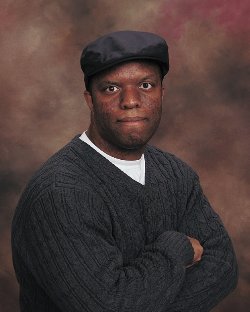 I have alot on my mind at times, other times it is totaly blank.
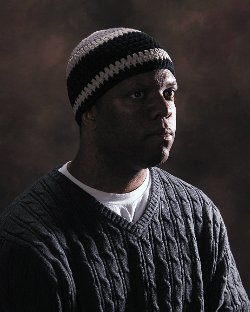
I just can't live the lie anymore
Cancer doesn't cause you to lose your hair it make you aerodynamic and when it grows back it is a mess to deal with





Not everyone can have long flowing locks of hair. Don't hate on the fro it is not my fault. What should I do straighten it out or mess up the furniture with a drip drip curl?
I found Donuts and other stuff too
Hey folks I have found some donuts they aren't the best Krispy Kreme but not like the ones you get in Winston-Salem mmmMMM now those were some donuts.
I have just been trying to patiently wait for 2 new lungs since all the scares at the end of October. I have come to the conclusion that I need to be comfortable being uncomfortable and expect Murphy's Law to happen at the most unexpected times.
I moved to the pre/post transplant apartment on last week. It is a nice 2 bedroom condo just in time too as the family will be down for TurkeyDay. I do hope I get to spend some time with my wife and youngest daughter but it looks like my oldest daughter will be monopolizing all my time (she is working on an Itinerary) so far on the first day of the trip I am to:
I have just been trying to patiently wait for 2 new lungs since all the scares at the end of October. I have come to the conclusion that I need to be comfortable being uncomfortable and expect Murphy's Law to happen at the most unexpected times.
I moved to the pre/post transplant apartment on last week. It is a nice 2 bedroom condo just in time too as the family will be down for TurkeyDay. I do hope I get to spend some time with my wife and youngest daughter but it looks like my oldest daughter will be monopolizing all my time (she is working on an Itinerary) so far on the first day of the trip I am to:
- take her to a movie
- go to McDonald's
- go to Chucky Cheese
- go to the library
- go horse back riding
- go to the candy store
- ride the train
- read 3 books
As busy as I will be it is a good thing I am right outside of San Fran. and can quickly get to Balco for some energy enhancing (Barry Bonds) cream. :-)
I will be at the doctors office on Thursday (cancer side of the house) getting more CT's scans before I go to work. I get them as early as possible for two reasons:
- You have to fast before a CT or PET scan and the quicker I finish the quicker I can stuff my face. Remember I found the donut place.
- Since I know I will get stuck over and over again with a large diameter needle as they search for veins that can no longer be accessed (painful) until they decide to use my port I feel it only fair to intimidate the people doing the sticking and let them have as bad a day as I since I will be the one with sore arms and hands all day.
That's all for now.
Thursday, November 2, 2006
CT results....Nov. 2, 2006
The CT scan from the other evening showed that the cancer involvement was still isolated to my lungs which was good news. I am still awaiting results from other test to see why my lab results were non-normal (it is possible that the medication is causing the lab result spikes).
Again the link to the Transplant governing body is
www.unos.org
A link to the transplant data is
http://www.unos.org/data/about/viewDataReports.asp
you will have to conduct your own query from the site a hint (you might want to search by state or region, then further narrow your scope by querying blood type, condition, age...)
Again the link to the Transplant governing body is
www.unos.org
A link to the transplant data is
http://www.unos.org/data/about/viewDataReports.asp
you will have to conduct your own query from the site a hint (you might want to search by state or region, then further narrow your scope by querying blood type, condition, age...)
Wednesday, November 1, 2006
Pins and Needles...
I have been on pins and needles since getting some disturbing lab results on last week. These results have me going back and forth to the hospital for additional test and lab work this week. I had a CT scan late last night (waiting for the results) and will have further lab test latter this evening.
Subscribe to:
Posts (Atom)