Showing posts with label history. Show all posts

Thursday, November 19, 2009

Three Types of Malignant Mesothelioma

Mesothelioma cell lines the inside chest and abdomen, as well as heartfelt bag - the cavity around the heart. These cells are also lines the surface of most internal organs.


Fabric formed mezotelialnymi cells is called mezoteliya. Mezotely chest called pleurisy, abdominal - ventral cavity and heart - pericardium. Tumors mezoteliya are benign and malignant, and usually there are malignant tumors, called mesothelioma.


There are three types of malignant mezoteliom:
1. Epitelioidny type of 50-70% of all mezoteliom and with the best prognosis (outcome).


2. Sarkomatoidny type (7-20%).


3. Mixed type (20-35%).


Nearly 3 / 4 mezoteliom occurs in the thoracic cavity and are called the pleura mezoteliom. In 10-20% of the tumor develops in the abdomen - mesothelioma peritoneum. Mesothelioma pericardiocentesis occur very infrequently.


How frequently malignant mesothelioma occur?
Mesothelioma is a rare tumor, which is more common in men after 50 years. Every year thousands of new evidence of 2-3 cases. The tumor may be a long time, asymptomatic, and therefore is often detected at later stages, which negatively influences the prognosis (outcome) of disease. The average survival rate of patients is usually only 1-2 years.


Risk factors of malignant mesothelioma.
Exposure to asbestos is a major risk factor for mesothelioma. Asbestos is used in the manufacture of insulation and fire-resistant materials, tiles, brake pads, etc. Once the relationship of contact with asbestos and mesothelioma development of this substance has been dramatically reduced.
The risk of developing mesothelioma depends on the intensity and duration of exposure to asbestos. Prolonged contact at a young age greatly increases the risk of mesothelioma. The time period from the time of first contact with asbestos before the diagnosis of tumors is 20-50 years.


Smoking by itself does not affect the increase in the development of mesothelioma, but the combination of smoking and asbestos exposure significantly increases the risk of developing lung cancer. A smoking people exposed to asbestos, the risk of developing lung cancer increased in the 50-90 times compared with the general population.


To prevent (prevent) the development of mesothelioma must be taken to avoid contact with asbestos at home and at work.


Diagnosis of mesothelioma
Early symptoms mezoteliom are not specific. They are sometimes ignored or taken for patients of normal neopuholevyh diseases. Most patients with mesothelioma symptoms appear in 2-3 months to identify the tumor. A number of patients with symptoms may continue for 6 months or more.


50% of patients with mesothelioma pleura note at the bottom of a chest pain in the side or rear surface. Many patients complain of shortness of breath. In some cases, there is difficulty swallowing, coughing, sweating, weakness, weight loss and increased temperature. Other symptoms can indicate osiplost voice, hemoptysis, swelling of the face and upper limbs.


Patients with mesothelioma peritoneum possible abdominal pain, nausea, vomiting, weight loss. Some patients may receive the fluid in the abdomen (ascites) and / or swelling.


If you like mezoteliomu is an urgent need to consult a doctor to ascertain the presence of risk factors and appoint survey. During the examination the doctor can detect the presence of fluid in the pleural cavity (pleurisy), abdomen (ascites) or perikarde (pericarditis), which occurs as a result of the development of tumors.


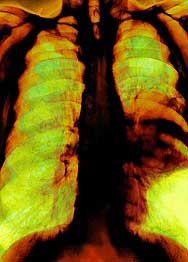
Chest x-ray can detect thickening of pleura, the presence of kaltsifikatov (mineral deposits) in plevre and fluid in the pleural cavity.


Computer tomography (CT) makes it possible to diagnose mesothelioma and to determine the prevalence of (stage).


Magnetic resonance imaging (MRI) can help identify lesions diaphragm - the muscle tissue, which separates the chest and abdominal cavity.


Thoracoscopy (examination of pleural cavity with a special device) you can not only identify the tumor, but also to make a biopsy (take a piece of tissue for research) or to obtain fluid for microscopic studies to clarify the diagnosis.


Laparoscopy (abdominal examination with the help of the device) you can examine the abdominal cavity, take a piece of the tumor, or fluid for research.


Stages (prevalence), mesothelioma
Currently, only differentiated stage mesothelioma pleura, as occurs much more frequently than others localizations. There are 4 stages pleura mesothelioma.


Stage I - the tumor affects plevru the left or right, and the lymph nodes in the process is not involved.


Stage II - one-sided defeat of pleura and the spread of tumor in the diaphragm or lung tissue.


Stage III - one-sided defeat of pleura and distribution process on the front chest wall, or fatty tissue mediastinum, or pericardium, or lymph nodes on the side of mesothelioma.


Stage IV - mesothelioma involved in muscle or ribs, or sprouts diaphragm, or esophagus, trachea, thymus, the major blood vessels, or spine, or moving to the other side, or distributed through the bloodstream to distant organs.


Treatment of malignant mesothelioma
The choice of treatment depends on several factors including the stage of the tumor, the general condition of the patient and his views. Given the rarity of mesothelioma, it is advisable to carry out specialized cancer treatment facilities that have experience in the treatment of such patients.
Surgical treatment
The operation can be performed as a palliative or therapeutic purposes. A palliative operation meant surgery, which can eliminate or reduce pain or discomfort caused by the growth of tumors. Such operations are used when it is impossible to remove a tumor because of the prevalence of the condition of the patient or heavy.


Plevroektomiya / decortication is generally palliative operation is to remove the pleura, which prevents the accumulation of fluid and reduce the pain.


Torakotsentez - a procedure in which a needle is removed from the liquid from the pleural cavity to facilitate the patient's condition.


The introduction of talc or antibiotics in the pleural cavity in order to temporarily prevent the accumulation of fluid in the well in 90% of patients with mesothelioma pleura.


Puncture the front abdominal wall allows you to remove the accumulated fluid in the abdomen in patients with mesothelioma peritoneum.


Patients with mesothelioma pericardiocentesis pericardiocentesis execution provides an opportunity to remove fluid and improve the heart's activity.


Patients in a satisfactory condition with a localized tumor, performing radical surgery, ie complete removal of mesothelioma.
One should bear in mind that often, after the alleged radical operations are microscopic tumor foci. In this regard, the importance of radical operations in patients with mesothelioma contested.


Vneplevralnaya pneumonectomy is the removal of pleura, diaphragm, pericardiocentesis and light on the side of destruction. This extended operation can be performed only highly trained surgeons, oncologists in the patients with good general condition with severe concomitant diseases.


In patients with localized mezotelimoy peritoneum may be an attempt to remove a tumor along with part of the abdominal wall. Unfortunately, most patients with mesothelioma peritoneum performance of radical operations can not be in the prevalence of the process.


In the case of localized lesions pericardiocentesis performed his disposal, and in the dissemination process - palliative intervention to prevent the accumulation of fluid.


Radiation therapy
External radiation is used in patients with mesothelioma frequently.
With internal radiation radioactive material is brought directly to the tumor.
This type of radiation therapy is used as the primary method of treatment for patients in serious condition, when they can not move a serious operation.


Supporting radiotherapy after non appointed operations to destroy the remaining cancer cells.
Palliative irradiation is used to alleviate symptoms caused by the growth of tumors: shortness of breath, pain, bleeding and difficulty swallowing.


Radiation therapy can cause adverse reactions and complications in the form of burning the skin, weakness, nausea, vomiting, liquid stool, damage lung tissue, difficulty breathing.
Most adverse events being held after the completion of the course of irradiation.
It is known that radiation therapy may increase the side effects of chemotherapy.


Chemotherapy
When treating patients with malignant mesothelioma drugs could be imposed not only intravenously, but intrapleural and vnutriperitonealno (in the abdominal cavity).
Depending on the stage of tumor chemotherapy can be both substantive and supportive treatment. Moreover, chemotherapy is used only as a palliative, giving only a temporary effect.
Of the anticancer drugs used: doxorubicin, cisplatin, methotrexate, vinorelbin and others in various combinations.


On the adverse reactions of chemotherapy include: nausea, vomiting, loss of appetite, hair loss, the appearance of ulcers in the mouth, increased susceptibility to infections, bleeding. Most adverse events being held after completion of treatment.


Source : Over Mesothelioma
Reblog this post [with Zemanta]

Risk Factors for Malignant Mesothelioma?

What are the risk factors for malignant mesothelioma?
There are several risk factors that increase the likelihood that a person will develop mesothelioma. The primary risk factor is asbestos exposure. Exposure to this very harmful substance can significantly enhance the chances of contracting the disease. Other secondary factors include exposure to radiation, zeolite, simian virus 40 (SV40) and tobacco. We discuss each of these risk factors in more detail below.

Asbestos

Exposure to asbestos is the leading risk factor associated with mesothelioma. Asbestos is an insulating material comprised of magnesium-silicate mineral fibers. It was favored by builders and contractors for many years for its low heat conductivity and resistance to melting and burning. Since researchers have identified more and more links between mesothelioma and exposure to asbestos, the material is now less widely used. Prior to this discovery, however, millions of Americans have experienced serious exposure to this harmful substance.
Over 700,000 schools and buildings in the United States today contain asbestos insulation as reported by the US Environmental Protection Agency. Asbestos exposure doesn�t stop there, however. Asbestos is often found in ship yards, manufacturing facilities, railway facilities and construction sites. Blue collar workers are at the highest risk for developing mesothelioma due to occupational exposure and include those who work in mines, factories, shipyards, construction sites, railroads and for insulation manufacturers and gas mask manufacturers. The occupations most widely affected are miners, factory workers, railroad workers, ship builders and construction workers - especially those who install asbestos containing insulation. Sometimes family members related to the workers receive second hand exposure to asbestos from the dust and fibers that were brought home on the workers clothes and also become at risk for contracting mesothelioma.
Serpentine fibers and amphiboles are the 2 primary types of asbestos used. Chrysotile is a form of serpentine fiber and the most frequently used. These fibers tend to be curly and flexible. Amphibole fibers, however, are generally straight and thin and usually comprise one of five types: crocidolite, amosite, anthrophylite, tremolite, and actinolyte. The crocidolite type of Amphiboles is thought to be the leading contributor to cancer caused by asbestos. Serpentine fibers are dangerous as well, however, and have also been linked to mesothelioma.
Some research points to the fact that inhaled asbestos fibers cause a physical irritation resulting in cancer rather than the cancer being caused by a reaction that is more chemical in nature. As fibers are inhaled through the mouth and nose they are cleared from the body by adhering to mucus in the nose, throat and airways and then get expelled by coughing or swallowing. The Amphibole fibers (long and thin) do not clear as easily and it is therefore thought that they can embed into the lining of the lungs and chest and result in mesothelioma.
Asbestosis (scar tissue in the lungs) or lung cancer can also be caused by the inhalation of asbestos fibers. In fact, people exposed to asbestos are seven times more likely to develop lung cancer over the general public. Workers who sustain high levels of asbestos exposure are more likely to die from asbestosis, lung cancer or mesothelioma than any other disease. It is also believed that the action of coughing up and swallowing asbestos could contribute to a form of mesothelioma originating in the abdomen called peritoneal mesothelioma. Mesothelioma has been found to exist in other organs of the body as well such as the larynx, pancreas and colon, but those instances are extremely limited compared to lung cancer incidents.
The chance of developing mesothelioma is in direct proportion to the duration and amount of asbestos exposure that an individual sustains. Those who are exposed to high levels of asbestos at a young age, for long periods of time have a greater risk of being diagnosed with mesothelioma than those who have short, low level exposure. Another important consideration is that Mesothelioma can take a long time to manifest. Often, twenty to forty years can elapse from the time of exposure to diagnosis. Genetic factors can also play a role which explains why not everyone exposed to asbestos develops and asbestos related disease.

Radiation

Thorium dioxide (Thorotrast), a substance used in x-ray tests in the past has reported links to pleural mesothelioma and peritoneal mesothelioma. The use of Thorotrast has been discontinued for many years due to this discovery.

Zeolite

Some mesothelioma cases in the Anatoli region within Turkey have been linked to Zeolite, a silica based mineral with chemical properties similar to asbestos found in the soil there.

Simian Virus 40 (SV40)

Some scientists have found the simian virus 40 (SV30) in mesothelioma cells from humans and have been able to create mesothelioma in animals with the virus. The relationship between this virus and mesothelioma is still unclear, however, and further research is being conducted to gain clarity on this potential link.

Tobacco

Smoking alone is not linked to mesothelioma, but smokers who are exposed to asbestos have a much higher chance of developing lung cancer (as much as fifty to ninety percent higher). Research indicates that lung cancer is the leading cause of death among asbestos workers.

Source : National Cancer Institute - Fact Sheets: Risk Factors and Possible Causes
http://www.cancer.gov/cancertopics/factsheet/Risk
Reblog this post [with Zemanta]

Cell Types of Mesothelioma

Malignant mesothelioma can also be classified by different cancer cell types, each of which tends to behave differently. There are three classifications assigned to mesothelioma cell types.
Epithelial Mesothelioma is the most common cell type and accounts for approximately 50-75% percent of all diagnosed cases each year. These cells are uniform in shape, with an elongated pattern that makes them easily distinguishable when viewed under high magnification. These cancers are adenocarcinomas, malignancies which are more commonly associated with pure lung cancers as opposed to cancers of the mesothelium.
Sarcomatoid mesothelioma is a less common cell type, accounting for between 7 and 20% of diagnosed cases each year. These cells grow forth out of supportive structures, such as muscles and bones.
Biphasic mesotheliomas are those with a mix of epithelial and sarcomatoid cell types. Treatment options do not vary greatly between cell types, but often sarcomatoid mesotheliomas are more difficult to treat as a result of the surrounding affected tissues from which they spread.
Thoracoscopy and the use of special stains can be helpful in identifying cellular classifications, though obtaining adequate tissue samples often require more invasive surgeries.
Source : Mesothelioma


Reblog this post [with Zemanta]

Wednesday, November 18, 2009

Exposure of Asbestos

1. What is asbestos?
�Asbestos� is the name given to a group of minerals that occur naturally as bundles of fibers which can be separated into thin threads. These fibers are not affected by heat or chemicals and do not conduct electricity. For these reasons, asbestos has been widely used in many industries. Four types of asbestos have been used commercially:
* Chrysotile, or white asbestos;
* Crocidolite, or blue asbestos;
* Amosite, which usually has brown fibers; and
* Anthophyllite, which usually has gray fibers.

Chrysotile asbestos, with its curly fibers, is in the serpentine family of minerals. The other types of asbestos, which all have rod-like fibers, are known as amphiboles.
Asbestos fiber masses tend to break easily into a dust composed of tiny particles that can float in the air and stick to clothes. The fibers may be easily inhaled or swallowed and can cause serious health problems.
2. How is asbestos used?
Asbestos was mined and used commercially in North America beginning in the late 1800s. Its use increased greatly during World War II. Since then, it has been used in many industries. For example, the building and construction industry has used it for strengthening cement and plastics as well as for insulation, fireproofing, and sound absorption. The shipbuilding industry has used asbestos to insulate boilers, steampipes, and hot water pipes. The automotive industry uses asbestos in vehicle brakeshoes and clutch pads. More than 5,000 products contain or
have contained asbestos. Some of them are listed below:
* Asbestos cement sheet and pipe products used for water supply and sewage piping, roofing and siding, casings for electrical wires, fire protection material, electrical switchboards and components, and residential and industrial building materials;
* Friction products, such as clutch facings, brake linings for automobiles, gaskets, and industrial friction materials;
* Products containing asbestos paper, such as table pads and heat-protective mats, heat and electrical wire insulation, industrial filters for beverages, and underlying material for sheet flooring;
* Asbestos textile products, such as packing components, roofing materials, and heat- and fire-resistant fabrics (including blankets and curtains); and
* Other products, including ceiling and floor tile; gaskets and packings; paints, coatings, and adhesives; caulking and patching tape; artificial ashes and embers for use in gas-fired fireplaces; plastics; vermiculite-containing consumer garden products; and some talc-containing crayons.
In the late 1970s, the U.S. Consumer Product Safety Commission (CPSC) banned the use of asbestos in wallboard patching compounds and gas fireplaces because the asbestos fibers in these products could be released into the environment during use. Additionally, asbestos was voluntarily withdrawn by manufacturers of electric hair dryers. In 1989, the U.S. Environmental Protection Agency (EPA) banned all new uses of asbestos; uses established prior to 1989 are still allowed. The EPA has established regulations that require school systems to inspect for damaged asbestos and to eliminate or reduce the exposure to occupants by removing the asbestos or encasing it. In June 2000, the CPSC concluded that the risk of children�s exposure to asbestos fibers in crayons was extremely low. However, the U.S. manufacturers of these crayons agreed to reformulate their products within a year. In August 2000, the EPA recommended that consumers reduce possible asbestos exposure from vermiculite-containing garden products by limiting the amount of dust produced during use. The EPA suggested that consumers use vermiculite outdoors or in a well-ventilated area; keep vermiculite damp while using it; avoid bringing dust from vermiculite use into the home on clothing; and use premixed potting soil, which is less likely to generate dust.
The regulations described above and other actions, coupled with widespread public concern about the hazards of asbestos, have resulted in a significant annual decline in U.S. use of asbestos: Domestic consumption of asbestos amounted to about 719,000 metric tons in 1973, but it had dropped to about 9,000 metric tons by 2002. Asbestos is currently used most frequently in gaskets and in roofing and friction products.
3. What are the health hazards of exposure to asbestos?
Exposure to asbestos may increase the risk of several serious diseases:
* Asbestosis; a chronic lung ailment that can produce shortness of breath, coughing, and permanent lung damage;
* Lung cancer;
* Mesothelioma; a relatively rare cancer of the thin membranes that line the chest and abdomen; and
* Other cancers, such as those of the larynx, oropharynx, gastrointestinal tract, and kidney.
4. Who is at risk?
Nearly everyone is exposed to asbestos at some time during their life. However, most people do not become ill from their exposure. People who become ill from asbestos are usually those who are exposed to it on a regular basis, most often in a job where they work directly with the material or through substantial environmental contact.
Since the early 1940s, millions of American workers have been exposed to asbestos. Health hazards from asbestos fibers have been recognized in workers exposed in shipbuilding trades, asbestos mining and milling, manufacturing of asbestos textiles and other asbestos products, insulation work in the construction and building trades, brake repair, and a variety of other trades. Demolition workers, drywall removers, and firefighters also may be exposed to asbestos fibers. As a result of Government regulations and improved work practices, today�s workers (those without previous exposure) are likely to face smaller risks than did those exposed in the past.
Although it is known that the risk to workers increases with heavier exposure and longer exposure time, investigators have found asbestos-related diseases in individuals with only brief exposures. Generally, those who develop asbestos-related diseases show no signs of illness for a long time after their first exposure. It can take from 10 to 40 years for symptoms of an asbestos-related condition to appear.
There is some evidence that family members of workers heavily exposed to asbestos face an increased risk of developing mesothelioma. This risk is thought to result from exposure to asbestos fibers brought into the home on the shoes, clothing, skin, and hair of workers. This type of exposure is called paraoccupational exposure. To decrease these exposures, people exposed to asbestos at work are required to shower and change their clothing before leaving the workplace.
5. How great is the risk?
Not all workers exposed to asbestos will develop diseases related to their exposure. The risk of developing asbestos-related diseases varies with the type of industry in which the exposure occurred and with the extent of the exposure. Asbestos that is bonded into finished products such as walls and tiles poses no risk to health as long as it is not damaged or disturbed (for example, by sawing or drilling) in such a way as to release fibers into the air. When asbestos fibers are set free and inhaled, however, exposed individuals are at risk of developing an asbestos-related disease.
In addition, different types of asbestos fibers may be associated with different health risks. For example, results of several studies suggest that amphibole forms of asbestos may be more harmful than chrysotile, particularly for mesothelioma. Even so, no fiber type can be considered harmless, and people working with asbestos should always take proper safety precautions to limit exposure.
6. How does smoking affect risk?
Many studies have shown that the combination of smoking and asbestos exposure is particularly hazardous. Smokers who are also exposed to asbestos have a greatly increased risk of lung cancer. However, smoking combined with asbestos exposure does not appear to increase the risk of mesothelioma.
There is evidence that quitting smoking will reduce the risk of lung cancer among asbestos-exposed workers. People who were exposed to asbestos on the job at any time during their life or who suspect they may have been exposed should not smoke. If they smoke, they should stop.
7. Who needs to be examined?
Individuals who have been exposed (or suspect they have been exposed) to asbestos fibers on the job or at home via a family contact should inform their physician of their exposure history and any symptoms. Asbestos fibers can be measured in urine, feces, mucus, or material rinsed out of the lungs. A thorough physical examination, including a chest x-ray and lung function tests, may be recommended. It is important to note that chest x-rays cannot detect asbestos fibers in the lungs, but they can help identify any lung changes resulting from asbestos exposure. Interpretation of the chest x-ray may require the help of a specialist who is experienced in reading x-rays for asbestos-related diseases. Other tests also may be necessary.
As noted earlier, the symptoms of asbestos-related diseases may not become apparent for many decades after exposure. If any of the following symptoms develop, a physical examination should be scheduled without delay:
* Shortness of breath;
* A cough or a change in cough pattern;
* Blood in the sputum (fluid) coughed up from the lungs;
* Pain in the chest or abdomen;
* Difficulty in swallowing or prolonged hoarseness; and/or
* Significant weight loss.

8. How can workers protect themselves?
Employers are required to follow regulations dealing with asbestos exposure on the job that have been issued by the Occupational Safety and Health Administration (OSHA), the Federal agency responsible for health and safety regulations in maritime, construction, manufacturing, and service workplaces. The Mine Safety and Health Administration (MSHA) enforces regulations related to mine safety. Workers should use all protective equipment provided by their employers and follow recommended work practices and safety procedures. For example, National Institute of Occupational Safety and Health (NIOSH)-approved respirators that fit properly should be worn by workers when required.
Workers who are concerned about asbestos exposure in the workplace should discuss the situation with other employees, their employee health and safety representative, and their employers. If necessary, OSHA can provide more information or make an inspection. Regional offices of OSHA are listed in the �United States Government� section of telephone directories� blue pages (under �Department of Labor�). Regional offices can also be located at http://www.osha-slc.gov/html/RAmap.html on the Internet, or by contacting OSHA�s national office at:
Organization:
Office of Public Affairs
Occupational Safety and Health Administration
U.S. Department of Labor

Address:
Room N�3647
200 Constitution Avenue, NW.
Washington, DC 20210

Telephone:
202�693�1999
1�800�321�6742 (1�800�321�OSHA)

TTY (for deaf or hard of hearing callers):
1�877�889�5627

Internet Web site:
http://www.osha.gov/as/opa/worker/index.html (Worker�s Page)

Mine workers may contact:
Organization:
Office of Information and Public Affairs
Mine Safety and Health Administration (MSHA)
U.S. Department of Labor

Address:
23rd Floor
1100 Wilson Boulevard
Arlington, VA 22209�3939

Telephone:
202�693�9400

Internet Web site:
http://www.msha.gov

The National Institute for Occupational Safety and Health (NIOSH) is another Federal agency that is concerned with asbestos exposure in the workplace. The Institute conducts asbestos-related research, evaluates work sites for possible health hazards, and makes exposure control recommendations. In addition, NIOSH distributes publications on the health effects of asbestos exposure and can suggest additional sources of information. NIOSH can be contacted at:
Organization:
Information Resources Branch
National Institute for Occupational Safety and Health (NIOSH)

Address:
Robert A. Taft Laboratories
Mailstop C�18
4676 Columbia Parkway
Cincinnati, OH 45226�1998

Telephone:
1�800�356�4674 (1�800�35�NIOSH)

E-mail:
eidtechinfo@cdc.gov

Internet Web site:
http://www.cdc.gov/niosh

9. Will the Government provide examinations and treatment for asbestos-related conditions? What about insurance coverage?
Medical services related to asbestos exposure are available through the Government for certain groups of eligible individuals. In general, individuals must pay for their own medical services unless they are covered by private or Government health insurance. Some people with symptoms of asbestos-related illness may be eligible for Medicare coverage. Information about benefits is available from the Medicare office serving each state. For the telephone number of the nearest office, call toll-free 1�800�633�4227 (1�800�MEDICARE) or visit http://www.medicare.gov on the Internet.
People with asbestos-related diseases also may qualify for financial help, including medical payments, under state workers� compensation laws. Because eligibility requirements vary from state to state, workers should contact the workers� compensation program in their state. Contact information for the workers� compensation program in each state may be found in the blue pages of a local telephone directory or at http://www.dol.gov/esa/regs/compliance/owcp/wc.htm on the Internet.
If exposure occurred during employment with a Federal agency (military or civilian), medical expenses and other compensation may be covered by the Federal Employees� Compensation Program. Workers who are or were employed in a shipyard by a private employer may be covered under the Longshoremen and Harbor Workers� Compensation Act. Information about eligibility and how to file a claim is available from:
Organization:
Office of Worker�s Compensation Programs
Employment Standards Administration
U.S. Department of Labor

Address:
Room S�3229
200 Constitution Avenue, NW.
Washington, DC 20210

Telephone:
202�693�0040

E-mail:
OWCP-Mail@dol-esa.gov

Internet Web site:
http://www.dol.gov/esa/owcp_org.htm

Workers also may wish to contact their international union for information on other sources of medical help and insurance matters.
Eligible veterans and their dependents may receive health care at a Department of Veterans Affairs (VA) Medical Center. Treatment for service-connected and nonservice-connected conditions is provided. If the VA cannot provide the necessary medical care, they will arrange for enrolled veterans to receive care in their community. Information about eligibility and benefits is available from the VA Health Benefits Service Center at 1�877�222�8387 (1�877�222�VETS) or on the VA Web site at http://www.va.gov/health_benefits/ on the Internet.
10. Is there a danger of nonoccupational exposure from the environment and products contaminated with asbestos fibers?
Asbestos is so widely used that the entire population has been exposed to some degree. Air, drinking water, and a variety of consumer products all may contain small amounts of asbestos. In addition, asbestos fibers are released into the environment from natural deposits in the earth and as a result of wear and deterioration of asbestos products. Disease is unlikely to result from a single, high-level exposure, or from a short period of exposure to lower levels of asbestos.
11. What other organizations offer information related to asbestos exposure?
The organizations listed below can provide more information about asbestos exposure.
The Agency for Toxic Substances and Disease Registry (ATSDR) is responsible for preventing exposure, adverse human health effects, and diminished quality of life associated with exposure to hazardous substances from waste sites, unplanned releases, and other sources of pollution present in the environment. The ATSDR provides information about asbestos and where to find occupational and environmental health clinics. The ATSDR Information Center can be reached at:
Organization:
Agency for Toxic Substances and Disease Registry
Division of Toxicology

Address:
Mailstop E�29
1600 Clifton Road, NE.
Atlanta, GA 30333

Telephone:
404�498�0160
1�888�422�8737 (1�888�42�ATSDR)

E-mail:
ATSDRIC@cdc.gov

Internet Web site:
http://www.atsdr.cdc.gov

The U.S. Environmental Protection Agency (EPA) regulates the general public�s exposure to asbestos in buildings, drinking water, and the environment. The EPA�s Toxic Substances Control Act (TSCA) Assistance Information Service, or TSCA Hotline, can answer questions about toxic substances, including asbestos. Printed material is available on a number of topics, particularly on controlling asbestos exposure in schools and other buildings. The EPA�s Asbestos and Vermiculite Home Page has suggestions for homeowners who suspect asbestos in their homes, lists laws and regulations applicable to asbestos, and links to the Agency�s findings on asbestos exposure at the World Trade Center and the Pentagon. Questions may be directed to:
Organization:
TSCA Assistance Information Service
U.S. Environmental Protection Agency

Address:
Mailcode 74080
401 M Street, SW.
Washington, DC 20460

Telephone:
202�554�1404
TDD: 202�554�0551

E-mail:
tsca-hotline@epa.gov

Internet Web site:
http://www.epa.gov/asbestos/

The U.S. Consumer Product Safety Commission (CPSC) is responsible for the regulation of asbestos in consumer products. The CPSC maintains a toll-free information line on the potential hazards of commercial products; the telephone number is 1�800�638�2772. In addition, CPSC provides information about laboratories for asbestos testing, guidelines for repairing and removing asbestos, and general information about asbestos in the home. Publications are available from:
Organization:
Office of Information and Public Affairs
U.S. Consumer Product Safety Commission

Address:
4330 East-West Highway
Bethesda, MD 20814�4408

Telephone:
1�800�638�2772
TTY (for deaf or hard of hearing callers): 1�800�638�8270

E-mail:
info@cpsc.gov

Internet Web site:
http://www.cpsc.gov

Information about asbestos is also available from the U.S. Department of Health and Human Services Web site at http://www.hhs.gov/news/press/2001pres/20010916a.html on the Internet. In addition, people can contact their local community or state health or environmental quality department with questions or concerns about asbestos.
Materials about cancer and how to quit smoking are available by calling the Cancer Information Service (CIS) (see below).
References
Agency for Toxic Substances and Disease Registry (September 2001). Asbestos. Retrieved March 5, 2003, from: http://www.atsdr.cdc.gov/toxprofiles/tp61.html.
Agency for Toxic Substances and Disease Registry (November 25, 2002). Asbestos: Health Effects of Exposure to Asbestos. Retrieved March 5, 2003, from: http://www.atsdr.cdc.gov/asbestos/asbestos_effects.html.
Agency for Toxic Substances and Disease Registry (November 2000). Case Studies in Environmental Medicine: Asbestos Toxicity. Retrieved August 21, 2003, from: http://www.atsdr.cdc.gov/HEC/CSEM/asbestos/index.html.
Agency for Toxic Substances and Disease Registry (September 11, 2001). ToxFAQ�s for Asbestos. Retrieved March 5, 2003, from: http://www.atsdr.cdc.gov/tfacts61.html.
Dollinger M, Jahan T, Rosenbaum EH, Jablons D. Mesothelioma. In: Dollinger M, Rosenbaum EH, Tempero M, Mulvilhill SJ. Everyone�s Guide to Cancer Therapy: How Cancer is Diagnosed, Treated, and Managed Day to Day. 4th ed. Kansas City, MO: Andrews McMeel Publishing, 2002.
Hillerdal G. Mesothelioma: Cases associated with non-occupational and low dose exposures. Occupational and Environmental Medicine. 1999;56(8):505�13.
National Cancer Institute. Cancer Rates and Risks, 4th ed. NIH Publication No. 96�691, 1996.
National Cancer Institute. What You Need To Know About� Cancer of the Larynx. NIH Publication No. 95�1568, 1995.
National Cancer Institute. What You Need To Know About� Kidney Cancer. NIH Publication No. 96�1569, 1996.
National Cancer Institute. What You Need To Know About� Lung Cancer. Publication No. 99�1553, 1999.
National Institute of Environmental Health Sciences (August 14, 2000). �Second-hand� Asbestos. Retrieved March 5, 2003, from: http://www.niehs.nih.gov/external/faq/asbestos.htm.
National Toxicology Program. 10th Report on Carcinogens. Research Triangle Park (NC): National Institute of Environmental Health Sciences, Public Health Service, U.S. Department of Health and Human Services, 2002. Available online at http://ehp.niehs.nih.gov/roc/toc10.html.
Ullrich RL. Etiology of cancer: Physical factors. In: DeVita VT Jr., Hellman S, Rosenberg SA. Cancer: Principles and Practice of Oncology. Vol. 1 and 2. 6th ed. Philadelphia: Lippincott Williams & Wilkins, 2001.
U.S. Consumer Product Safety Commission (June 13, 2000). CPSC Releases Test Results on Crayons. Retrieved March 5, 2003, from: http://www.cpsc.gov/CPSCPUB/PREREL/prhtml00/00123.html.
U.S. Environmental Protection Agency (January 6, 2000). Asbestos Containing Materials. Retrieved March 5, 2003, from: http://www.epa.gov/earth1r6/6pd/asbestos/asbmatl.htm.
U.S. Environmental Protection Agency (November 8, 2000). Asbestos in Your Home. Retrieved March 5, 2003, from: http://www.epa.gov/asbestos/ashome.html.
U.S. Environmental Protection Agency (June 14, 2001). The Asbestos Informer. Retrieved March 5, 2003, from: http://www.epa.gov/region04/air/asbestos/inform.htm.
U.S. Environmental Protection Agency (August 2000). Sampling and Analysis of Consumer Garden Products That Contain Vermiculite. Retrieved March 5, 2003, from: http://www.epa.gov/asbestos/vermiculite.pdf.
U.S. Environmental Protection Agency (August 2000). Fact Sheet: Asbestos-Contaminated Vermiculite. Retrieved June 25, 2003, from http://www.epa.gov/asbestos/vermfacts.pdf.
U.S. Geological Survey (March 2001). Some Facts About Asbestos. Retrieved March 5, 2003 from: http://pubs.usgs.gov/fs/fs012-01/.
Virta, RL. Asbestos. Mineral Commodity Summaries. U.S. Geological Survey Minerals Information. Retrieved March 5, 2003, from: http://minerals.usgs.gov/minerals/pubs/commodity/asbestos/070303.pdf.
# # #
Sources of National Cancer Institute Information
Cancer Information Service
Toll-free: 1�800�4�CANCER (1�800�422�6237)
TTY (for deaf and hard of hearing callers): 1�800�332�8615

NCI Online
Internet
Use http://www.cancer.gov to reach NCI�s Web site.
LiveHelp
Cancer Information Specialists offer online assistance through the LiveHelp link (https://cissecure.nci.nih.gov/livehelp/welcome.asp) on the NCI�s Website
Source: National Cancer Institute

What is Asbestosis ?

Asbestosis is a progressive and irreversible lung condition that typically leads to subsequent respiratory disability. Please click on the following links to find out more about the asbestos lung condition Asbestosis.
Asbestosis is a lung condition, often referred to as a �diffuse pulmonary fibrosis� which results from the inhalation of asbestos fibers. It is one of a number of diseases categorized as occupational lung disease or environmental lung disease. A unique aspect of asbestosis that distinguishes it from other fibrotic diseases (such as silicosis) is the presence of asbestos bodies and fibers in the lung tissue. Additionally, asbestos bodies and fibers have been detected in small numbers beyond the lung: in tonsils, thoracic and abdominal lymph nodes, pleura, peritoneum, liver, spleen, pancreas, kidneys, small and large intestines, esophagus and stomach.
How Did I Get Asbestosis?
Asbestos exposure results from people inhaling fibers that are in the air when they breathe. The people with the heaviest risk of exposure to asbestos are those who work directly with the mineral, whether is mining or processing it, during production of asbestos-containing products, or during installation of asbestos insulation.
Family members of asbestos workers are also at risk of inhaling high doses of asbestos fibers. Every member of the household can become exposed to asbestos by coming in contact with and inhaling asbestos fibers that are unknowingly carried home from work on their family member�s clothing.
Exposure to building materials that contain asbestos, specifically in older building is also a concern. If over a period of time insulation material, floor or ceiling tiles start to decompose, asbestos fibers can become airborne and may pose a serious health threat. In this type of situation, asbestos fibers tend to create a dust composed of tiny particles that can float in the air. However, as long as the material is not damaged or disturbed, such as remodeling or drilling, then the asbestos fibers will not be release into the air and therefore will not pose a threat to human health.
Asbestos contamination can also result from ingesting contaminated food or liquids. It can also be detected in the water supply as well as in the air. Asbestos may be released into the water through erosion or natural deposits, corrosion from asbestos-cement pipes, and disintegration of roofing materials containing asbestos that are then transported into the sewers.
What Are The Clinical Signs Of Asbestosis?
Clinical presentation of this disease may include the following:
* Shortness of breath (dyspnea)
-rarely occurs before a decade of exposure
-appears first only upon exertion and subsequently occurs at rest
* Dry cough
-dry and troublesome cough, perhaps associated with chest pain
* X-Ray changes
-generally beginning with irregular opacities at the bases of the lungs, perhaps extending into the upper zones gradually
* Pulmonary function deficiencies
-typically a pulmonary function test reveals a restrictive lung disease pattern
-there may be a pulmonary function loss before x-ray changes become evident
Other more advanced symptoms of this disease include clubbing of the fingers (increased thickness of the digits and curvature of the nails) and cor pulmonale. Medical monitoring for radiologic changes is key, as persons with asbestosis have an increased risk of developing a malignancy.
By : Mirg

Tuesday, November 17, 2009

Asbestos Cancer

A prominent mineral asbestos greatly in many modern manufacturing business. It is agreed that the ore is used for building and all kinds of other projects. Ore were also become a health hazard. The cause of the cancer asbestos cancer or entry. This is a delicate situation, many industries are not understanding the harmful effects of asbestos. When the employee development, they asbestos cancer for legal proceedings. These litigation ran into millions, in order to prevent possible circumstances, the company has to invest for its employees appropriate protective equipment with asbestos work.
Every inch of the human body is composed of cells. These cells are copying the replay. This kind of cell replication occurred in the process of the main share. As long as cell replication process control, human organs, including will resume normal function. When a cell replication, so it becomes abnormal condition called to cancer. Since mesothelioma is irregular growth by cells in the area of cells, causing the asbestos cancer mesothelioma. This factor, the abnormal growth of cells is still mysterious. mesothelioma
Have certain differences between cancer and other normal mesothelioma cancer. Since mesothelioma can find covering almost all major organs such as the heart, lungs and cancer of the body can be. Secondly, it is difficult to diagnose this type of cancer. Employees complain about physical pain, but family members work related fatigue, ignore it and fatigue. It is in the final stages, that her cancer patients with the entry. You may already know this fact � this is a threshold, patients must undergo treatment during the procedure.meso-info.net
Once this period is gone, the patient�s cancer may not respond to your treatment. Allegedly, fine powder, inhaled asbestos, will lead to cancer mesothelioma. The importance of this layer can never be underestimated. The protective layer is known and protect its regular lubrication authority from the influence and suddenly. This form of treatment of cancer, but only a small percentage popularization of treatment by the reaction of success.
Adhere to effective protective measures, one is with asbestos. Cancer may affect a person, smoking, he may not know it. The employee training about the disease, for they provide sufficient information is the first step, by our company in order to eliminate to this situation. It is discouraging to find even many employers know the situation, cancer progression in our country entry. Many people, because life is at stake in this condition and employers seem to ignore the situation.

Asbestos and Mesothelioma Cancer

Smoking is a form of cancer in film (called mesothelium), lung, chest, abdomen lining, sometimes torn. Although rare, mesothelioma symptoms strike over 200 people each year in the United States. Most cases is directly linked to entry asbestos exposure.
Due to long-term incubation period of the average age of the patients in the entry of 50-70 years old. Most people because of smoking affects one in industry contacts asbestine high print. Mesothelioma symptoms include respiratory problems, shortness of breath, cough and pneumonia. Other mesothelioma symptoms including abdominal swelling, and weight. In some mesothelioma symptoms mesothelioma is quite low, patient, make it difficult to mesothelioma doctors diagnose.
The doctor specializes in research and treatment, the entry of mesothelioma of cancer.
Mesothelioma (or cancer mesothelium) is a kind of disease, deformity, no control cell replication. These cells in mesothelioma invasion and damage tissues and organs. Mesothelioma cancer cells to spread to internal body, causing the leading cause of death.
Treatment mesothelioma clinical trials, test and smoking
There are many mesothelioma treatments. Treatment includes surgery, radiotherapy and chemotherapy and mesothelioma treatments depends on the patient�s age, health and the stage of cancer. There has been much mesothelioma research in the past two years to find new treatments. Click here to find out more about mesothelioma processing technology.
Through the study, the national cancer institute entry test and clinical trials � mesothelioma is to find new treatments. Because of the increasing number of cases in the United States, the two countries mesothelioma government-sponsored research mesothelioma increase. Mesothelioma research and clinical trials are successful in developing new technology to fight cancer and prospects of more advanced treatment mesothelioma is bright.
Surgical treatment is one of the most common malignant mesothelioma. Organization and lining by mesothelioma is doctor, may also include pulmonary even the diaphragm.
Another method is to use radiation therapy mesothelioma higher-energy x-rays, kill cancer cells. Radiation can in the body.
The third mesothelioma chemotherapy treatment. Through the tablets or drugs through the needle, chemotherapy drugs are used to kill cancer cells.
A new method called mesothelioma treatments photodynamic therapy. In this treatment, light and drugs are used to kill cancer cells in the early surgery mesothelioma chest. Although there are many treatment and drug treatment, doctors have mesothelioma lost against this fatal disease. Most mesothelioma treatments involve ancient technology, combined with different drug cocktails. However, in most cases, these mesothelioma treatments has many side effects including organ damage, nausea, increase in heart failure, etc. In order to find a more effective treatment or therapy in numerous mesothelioma is clinical trials are throughout the country. We hope that one day will erradicate mesothelioma treatments mesothelioma cancer and asbestosis.
By : Mesoinfo

The History of Mesothelioma

Smoking is a rare type of cancer, has been proved to be caused by almost always inhaled asbestos particles. Mesothelioma browbeating, usually in a man�s body spread quickly once it�s development. Therefore, when it was found in a man�s body, it usually spread and positive intruder vital organs and tissue in other areas � � may be in just a few months. Treatment of patients, general won�t face entry of a very active long-term prognosis.
Mesothelioma appeared in the form of cancer. Tumor will appear in any place, or in any organ, have mesothelium coverage. Sometimes in tumor detection, determined to be benign, or explanation. This tumor is usually treated explanation, but not in the same way as cancerous.
If a person has to expose tumors or inhaled Mesothelioma of asbestos particles at any time, and in their lives, or will be, malignant cancer. The only certain way to decide whether it is benign or malignant Mesothelioma is a biopsy.
Once a malignant Mesothelioma tumor was detected, testing and determination are malignant, other malignant tumors may appear in other organs. This type of �the dissemination�, refers to the tumor metastasis. If pleural Mesothelioma is found in the tumor may, for example, began to appear on the other place than the original site. There is no way to determine which organs in tumor will pop up after the initial diagnosis.
There are several types of malignant mesothelioma, but they are three of the most common. The most common of these three called �epithelium.� Fortunately, the epithelium, is a form of optimal therapeutic mesothelioma responds to. All three types of general are treated equally surgery, radiotherapy and chemotherapy.
In most cases, the malignant Mesothelioma was found in a man�s chest. The second most common cancer diagnosis of local exist when the belly. The most common place was found in the original tumor, that is in the heart.
When the tumor, they are called �in the chest and rib Mesotheliomas� when they found in the abdomen, they are called �, and �Mesotheliomas peritoneal when they found in the heart, they are called�, the pericardial Mesotheliomas.�
This mesothelium is covered inside (two layers, and allow them to sit organs to other organs and tissue without friction or causing friction and influence each other mutually. In other words, the outer membrane provide mesothelium organs and lubricating fluid, so that they can each side sliding. The heart and lungs, for example, and constantly expand and contract, and mesothelium allow these organs without any kinds of moving membrane friction.
According to the position, or organ, it is mesothelium around, it is to point to by different names. When mesothelium mentioned throughout the country, in a person�s abdominal organs, mesothelium called �, peritoneal.� This mesothelium coverage in the chest organs or lung pleural cried, �yes�. Mesothelium membrane cover heart is called �package�.
When a man began to develop, mesothelium Mesothelioma tumor growth. Tumor formation and peritoneal pleural, and/or mesothelium pericardium. When the tumor formation, this is a signal that these cells differentiate the mesothelium control and the normal order of them. Once you begin, it usually cancer has spread to the rest of the body mesothelium area, it also can be transferred to the surrounding tissues and organs.

Thursday, February 5, 2009

Pointers for future research on CSC

Looking ahead in cancer stem cell research by John E Dick, Nat Biotechnol 2009(Jan); 27(1): 44-6 [PubMed Citation]. Leading sentence:
The history of the stem cell field offers pointers for future research on cancer stem cells.
The full text is publicly accessible. Excerpts:
Since the beginning of the era inaugurated by the great experimental pathologists, microscopic examination has revealed that many tumors, be they liquid or solid, exhibit morphologic heterogeneity. Tumors are also heterogeneous functionally, as demonstrated most dramatically by studies in which murine or human tumors were re-transplanted into syngeneic or xenogeneic immune-compromised recipients. Remarkably, such experiments have also included human autotransplants. The collective conclusion from these studies was that tumor re-initiation is variable and often rare, requiring 103 to 107 cells.
.....
Ultimately, the relevance of the CSC model will be determined by clinical data.
See also:

The CSC hypothesis: recalling some history (December 30, 2008).

Tumorigenic cells not rare in human melanoma (December 3, 2008).

Tuesday, December 30, 2008

The CSC hypothesis: recalling some history

More about the CSC hypothesis: Cancer Stem Cells: Fact or Fiction? by Caroline Brandon, Connecting for Kids, December 26, 2008. Excerpts:
In the 1960s there was an unethical experiment where physicians took cancer cells from various types of malignancies and re-injected these cells back into the original cancer patient or another non-cancerous terminally ill patient. The results from this experiment suggested that those with cancer lacked immunity to the disease while “healthy” individuals carried some immunity to the cancer cells. However, another interesting observation was made throughout the experiments: that it requires millions of cancer cells to initiate the growth of a tumor. It is this observation from which two theories emerged in the decades to come regarding tumor initiation and maintenance.
.....
I am hopeful that from studies like this [publication in Nature by Quintana et al] that challenge the current cancer stem cell dogma, new creative approaches will be used to uncover the true culprits behind cancer, be it a rare population of stem cells or a more common population yet to be defined.
For some additional relevant commentary, see this previous post: Tumorigenic cells not rare in human melanoma, December 3, 2008.

Comments: One "unethical experiment" of the kind described in the first excerpt is the Jewish Chronic Disease Hospital case. It has been summarized briefly in the section on injections of cancer cells, in notes entitled Nonconsensual Medical Experiments on Human Beings, by Ronald B Standler (notes created Dec 1996). The initial two sentences:
There were intradermal injections of live human cancer cells into 22 chronically ill, debilitated non-cancer patients in 1963 without their consent in the Jewish Chronic Disease Hospital case, to learn if foreign cancer cells would live longer in debilitated non-cancer patients than in patients debilitated by cancer. Lump at injection site disappeared approximately seven weeks after injection.
For a much more detailed discussion of this case from legal and ethical perspectives, see: Experimentation with Human Beings by Jay Katz, Yale University, Russell Sage Foundation, 1972 [PDF, 58 pages]. Chapter 1 is about The Jewish Chronic Disease Hospital Case. The first sentence of this chapter:
In July 1963, three doctors, with approval from the director of medicine of the Jewish Chronic Disease Hospital in Brooklyn, New York, injected "live cancer cells" subcutaneously into twenty-two chronically ill and debilitated patients.
A publication, apparently based on studies of these patients, is: Rejection of cancer homotransplants by patients with debilitating non-neoplastic diseases by Arthur G Levin, D B Custodio, Emanuel E Mandel, Chester M Southam, Ann N Y Acad Sci 1964(Nov 30); 120: 410-23 [PubMed Citation]. The full text isn't publicly accessible. From the Materials and Methods: "The recipients with non-neoplastic diseases were 19 patients at the Jewish Chronic Disease Hospital ..... The homotransplants consisted of subcutaneous injections of two to five million tissue-cultured cells. Three human cell lines of neoplastic origin were used ...". It seems inconceivable in the light of current ethical standards for human experimentation that these studies could have been carried out and published, but they were. Ethical oversight of such studies was minimal then. The summary from this publication:
Summary
Nineteen patients with advanced, debilitating, non-neoplastic diseases were given two subcutaneous homotransplants of tissue-cultured human cancer cells: one of cell line HEp 2, and one of either HEp 3 or RPMI 41. These recipients rejected the homotransplants promptly, as do normal healthy controls, whereas many patients with advanced cancer have an impaired capacity to reject these cell lines.
These findings indicate that the immunological defect which is evidenced by delayed homograft rejection is not merely a consequence of debility and cachexia.
However, although the defect occurs often in patients with advanced cancer, it is not demonstrable in all cancer patients and it cannot be assumed that it is specifically associated with cancer.
The parallelism of homograft rejection, macrophage mobilization, and delayed hypersensitivity response is discussed.
The full text begins with the statement that: "Previous studies indicate that patients with advanced cancer have an immunologic defect manifested by their inability to reject homotransplants of tissue-cultured cell lines as rapidly as healthy controls ...". The first publication cited in support of this statement is: Homotransplantation of human cell lines, Chester M Southam, Alice E Moore, Cornelius P Rhoads, Science 1957(Jan 25); 125(3239): 158-60 [PDF Extract][PubMed Citation (with the authors listed in a different order)]. Excerpt from the full text:
All recipients were volunteers who were aware of the general purposes of the study and the nature of the implanted materials and who were agreeable to subsequent biopsies ...
It should be emphasized that the standards for informed consent, and the procedures used for obtaining informed consent, were very different in 1957 in comparison with those used now.

An article about these latter experiments was published in Time magazine: Cancer Volunteers (Feb. 25, 1957). The first paragraph on the first page:
On wooden benches in the well-guarded recreation hall of the Ohio Penitentiary at Columbus sat 53 convicts—killers in for life, bank robbers, embezzlers, check forgers. Some wore the white jacket and trousers of hospital attendants (duty for which they had volunteered in the prison); others, fresh from work gangs, wore blue dungarees. As a man's name was called he walked upstairs to a room equipped as an emergency surgery, sat down and proffered a bare forearm. Dr. Chester M. Southam of Manhattan's Sloan-Kettering Institute then proceeded to inject live cancer cells.
The last paragraph on the first page:
The blobs of fluid containing the cancer cells made little bumps on each man's arm. In a matter of hours or days, some of these swelled up and became tender and inflamed; the healthy body's natural defenses were at work and plain to see. In other cases the men felt no appreciable discomfort, and the swelling disappeared without any noticeable inflammatory stage; the body's defenses had worked just as effectively but less conspicuously.
What have we learned during the 5 decades that have gone by since these studies were done? A lot about the ethics of human experimentation. A lot about how to avoid rejection, by the recipients, of transplanted cells obtained from unrelated donors. Quite a lot about tumor immunology and other aspects of tumor-host interactions. But, not enough (yet) about bioassays designed to detect, enumerate and characterize human CSC.